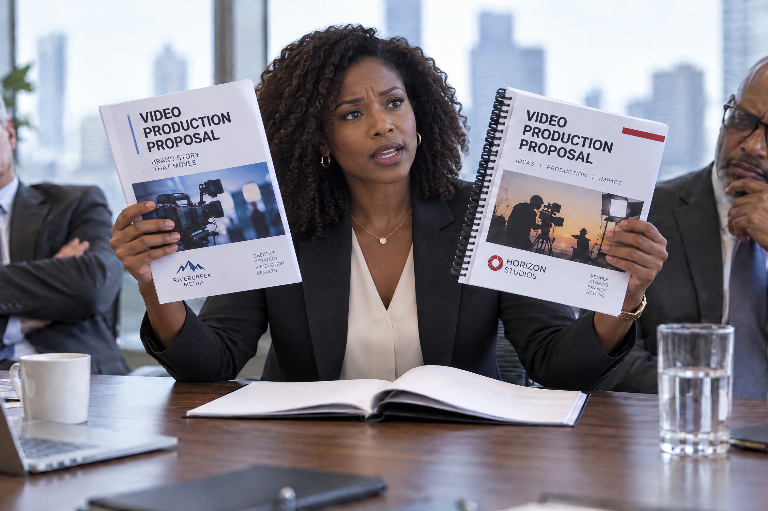
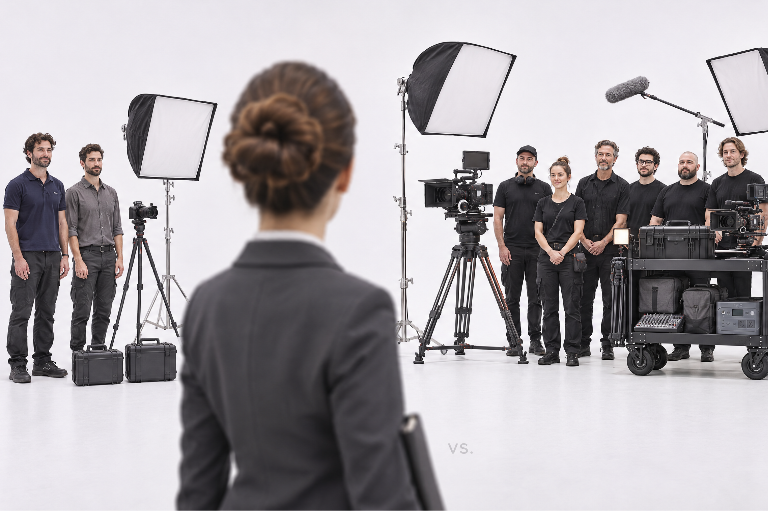
You Paid For The Video, So Why Don't You Own The Footage?
Your last shoot produced hours of usable footage, and you probably own three minutes of it. The fix happens before the contract gets signed, not after the delivery.
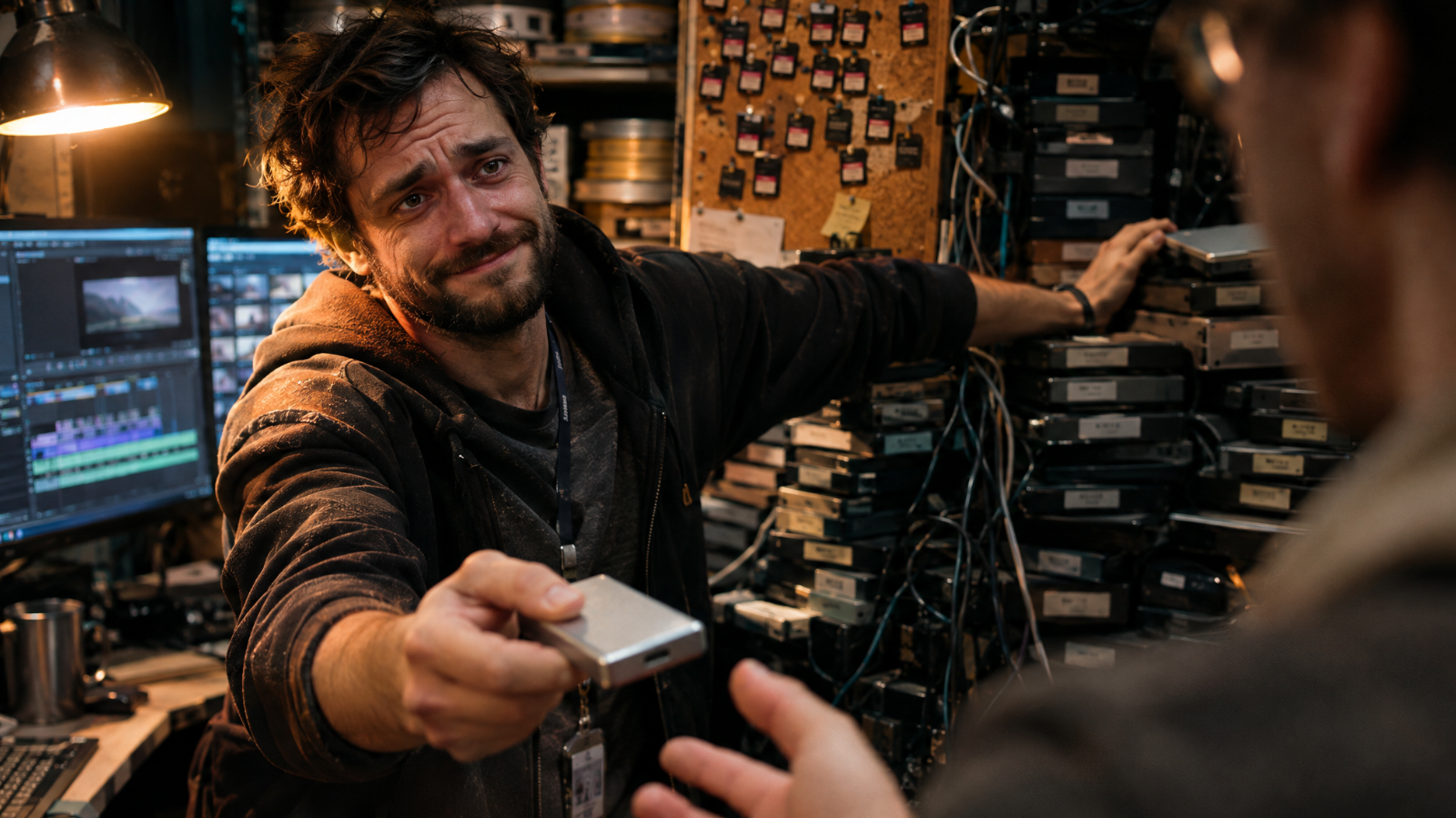
A full day video shoot can produce hours of footage. But, your finished video might only run two or three minutes.
So what happens to the rest of the footage?
In many B2B projects, the production company delivers the final cut and keeps the original files. Nothing was lost; the extra footage simply wasn’t included in the scope of delivery. Marketing teams sometimes discover that only after they request a clip they assumed they could reuse.
If you commission video regularly, knowing what happens to the footage can help you get more value from each shoot. If you produce one polished brand film every few years, raw footage may matter less, but should still be a consideration.
For a deeper dive, watch “You Can’t Reuse What You Can’t See” on the Content Wars Podcast.
What final-cut-only delivery can cost you
Consider everything that went into the shoot: the crew, equipment, and travel; your executives’ time; a production floor slowed down for an afternoon; a customer who agreed to an interview. The finished video may use only a small part of what was captured.
The unused footage might include strong interview answers, B-roll of your facility, people at work, or your product in use. If you receive only the final cut, you may have to capture similar material again for the next project, with a new crew, production day, another scheduling effort, and another invoice.
Production companies handle original footage in different ways. Some retain the files, while others offer them for an additional fee or include them only in certain packages, some simply delete unused footage. Clarify ownership, access, and usage rights before the shoot, while you can still negotiate the terms.
Why “we only need the video” can be the wrong brief
It’s natural to define a project by its deliverable: “We need a customer story video.” But that can limit the value of the shoot to one finished asset, reducing your potential of ROI on every video project.
That approach made more sense when video was an occasional project. Today, B2B teams often need a steady supply of visual content for LinkedIn, sales presentations, trade shows, recruiting, and internal training. If you plan and capture only one finished video, you may find yourself paying to record similar material again a few months later. It’s the one-off video trap that never moves the business.
When raw footage matters, and when it doesn’t
Not every shoot needs to produce a library of original footage. A scripted commercial may involve many takes of the same lines. The editor selects the strongest performances, and the unused takes may have little value for future projects. Traditional production was built around this kind of work, which is one reason the traditional video production model no longer works in B2B.
Much B2B video is unscripted: executive interviews, customer conversations, podcasts, and experts explaining how something works. These formats can produce useful material beyond the final edit, especially when you plan for future use as part of the project. As we’ve argued, subject matter experts shouldn’t be scripted.
Still, more footage doesn’t automatically mean more value. Someone needs to review, select, and organize it before your team can use it.
Start by asking what the shoot will capture and how you might use that material later. Interviews and other unscripted content may be worth preserving beyond the final cut. For a tightly scripted spot, they very well may not be.
What to ask your production company for
You probably don’t need hours of unedited footage dropped into a shared folder. Without organization, it can be almost as hard to use as having no footage at all.
Instead, consider asking for selected B-roll, strong interview answers as standalone clips, and clean shots of your people, locations, and products organized so your team can find them later.
Discuss the details before the shoot and put the agreement in writing. Ask your production partner:
- Who owns the original footage, and what usage rights will we have?
- What will we receive beyond the finished video?
- How will the files be selected, formatted, organized, and delivered?
- How long will the files be stored, and what will it cost to retrieve them later?
Clear answers help you understand what to expect. Some production partners include footage selection and delivery in their process. Anthem’s unlimited video partnership, for example, includes selected B-roll alongside finished videos, with full ownership retained by the client.
Plan for more than one video
A shoot can provide material for more than one asset. Planning for that can spread the cost of capturing useful footage across multiple projects over time. If you plan for only one finished video, you may end up paying to capture similar material again.
That doesn’t mean every shoot needs to create a large library. It means deciding what you might need later while you’re still planning the shoot, and agreeing in advance on what you’ll receive.
Before your next shoot, find out who will own the footage, what will be delivered, and how your team can use it. If the terms being presented don’t work for you, get that settled before your put your ink on the paper.